
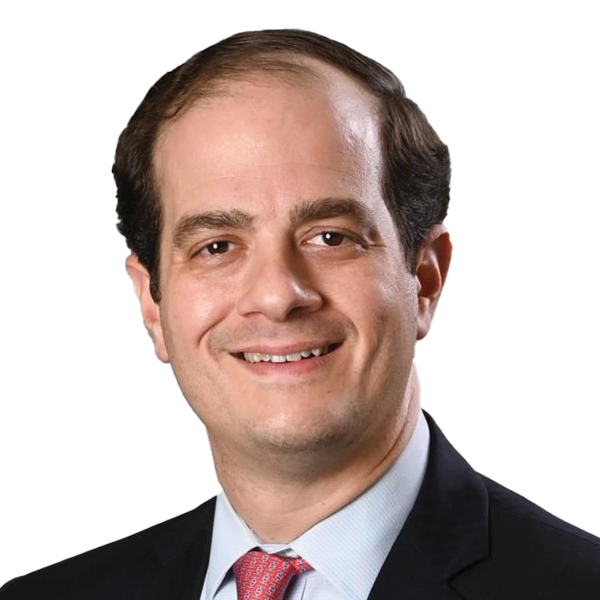
President
Large Public Power Council
Tom Falcone is the President of the Large Public Power Council (LPPC), an association of 29 of the largest not-for-profit public power systems in the United States. Together, LPPC members provide electricity to over 30 million customers in 22 states and Puerto Rico. Prior to joining LPPC, Tom was the chief executive and chief financial officer of the Long Island Power Authority (LIPA), the nation’s third-largest public power utility. During his decade-long tenure, LIPA increased investment in the electric grid by 300% to over $6.4 billion, reduced power outages by 40%, achieved top 10% reliability, brought online the nation’s first utility-scale offshore wind farm, achieved approval of $3.3 billion of transmission investments to integrate 3,000 megawatts of clean energy, implemented smart meters and opt-out time-of-day rates, obtained four credit-rating upgrades, and reduced leverage by 25%, while keeping electric rate adjustments below the rate of inflation. LIPA’s accomplishments were recognized by the American Public Power Association (APPA) with two national achievement awards – the E.F. Scattergood Award for sustained achievement and the Sue Kelly Award for Community Service. Tom is the past chair of the LPPC and also served on the boards of the APPA, the Association of Edison Illuminating Companies, and the Advanced Energy Research and Technology Center at Stony Brook University. Before joining LIPA, Tom was an investment banker and advisor to publicly owned utilities and state and local governments. In that role, Tom raised more than $25 billion for infrastructure investments across the country. Tom received a Bachelor of Science in Economics from the Wharton School of the University of Pennsylvania
Increased use of AI along with the data centers needed to power it, population growth, shifting weather patterns, and other concerns are expected to place considerable strain on power infrastructure. What’s at stake and how is the region addressing it all?