Join The Bond Buyer and your public finance colleagues for cocktails and hors d’oeuvres on The Terrace at the Mills House as we kick off Bond Buyer Southeast Public Finance.
AI and emerging technologies are reshaping how governments operate — and the pace of change is only accelerating. In this breakfast briefing, DebtBook CEO Tyler Traudt leads a thoughtful exploration of what that means for public finance teams: the strategic shifts underway, the ethical questions worth asking, and the practical applications your organization can act on today.





Public Finance leaders will set the stage for how the Southeast is managing population growth, providing services and finding infrastructure financing solutions amid the shifting policies from Washington and Southeastern states. What are the risks and opportunities for public finance in the Southeast?


How are Southeast states expanding their transit and road infrastructure and addressing increased demand on services as people and businesses move in? How do cities and regions move people more efficiently and cost effectively? What kinds of projects are issuers focusing on in the Southeast? How are federal policies impacting transportation projects in the region?



Increased use of AI along with the data centers needed to power it, population growth, shifting weather patterns, and other concerns are expected to place considerable strain on power infrastructure. What’s at stake and how is the region addressing it all?
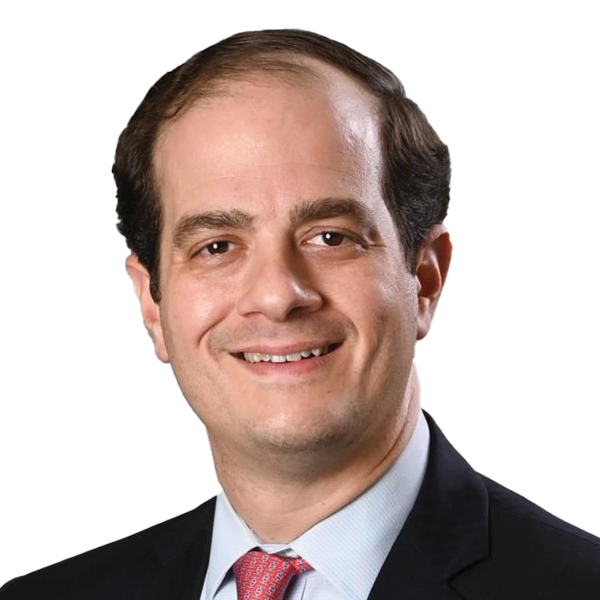




J.P. Yarusinski, Head of Economics and Hedging at Truist, will delve into what’s at stake for fixed-income markets amid macro and geopolitical volatility. Gary Rapp, Head of Fixed Income Sales & Trading at Truist Securities, will get behind the headlines with J.P. during this fireside chat.


How are P3s evolving in the Southeast? Do the Trump administration’s goals and policies impact projects and planning? How can the industry harness private capital at a time when more alternative investors are looking for a way into the muni space?




How vouchers, charter schools, and overall population growth are affecting the funding and operating of the K-12 education sector.




What do investors want and how is the sell-side adapting to provide for it? How has the evolution of the buyer base impacted the yield curve? As separately managed accounts become a predominant buyer, should issuers focus their deal structures to cater to this buyer? What types of information are investors looking for from issuers? What types of alternative investment opportunities are available to issuers in uncertain times? How does private credit fit into the public finance space?





Our panel of regional issuers will share their viewpoints on how their communities are faring amid shifting federal policies, increasing costs and where they see opportunities for leading infrastructure investment. How do they see the public finance industry evolving?






The One Big Beautiful Bill Act has a variety of provisions that will affect the municipal industry. From Medicaid cuts to new or altered tax credits, how is the industry digesting all these changes? Where are there risks and opportunities in Washington now, particularly for the Southeast region?
What does the regulatory landscape look like in 2026 and beyond?



The Southeast is Ground Zero for managing the pullback of private insurers. How is the Southeast approaching resilience in the face of more frequent severe weather events? How are issuers meeting the growing needs for upgrades of existing infrastructure along with investments in new projects amid a higher-cost environment? What is this all doing to the overall credit picture for the market?





With international competitiveness and growth in domestic passenger demand, how are the region’s airports faring? What are the effects of tariffs and rising construction costs on the sector?